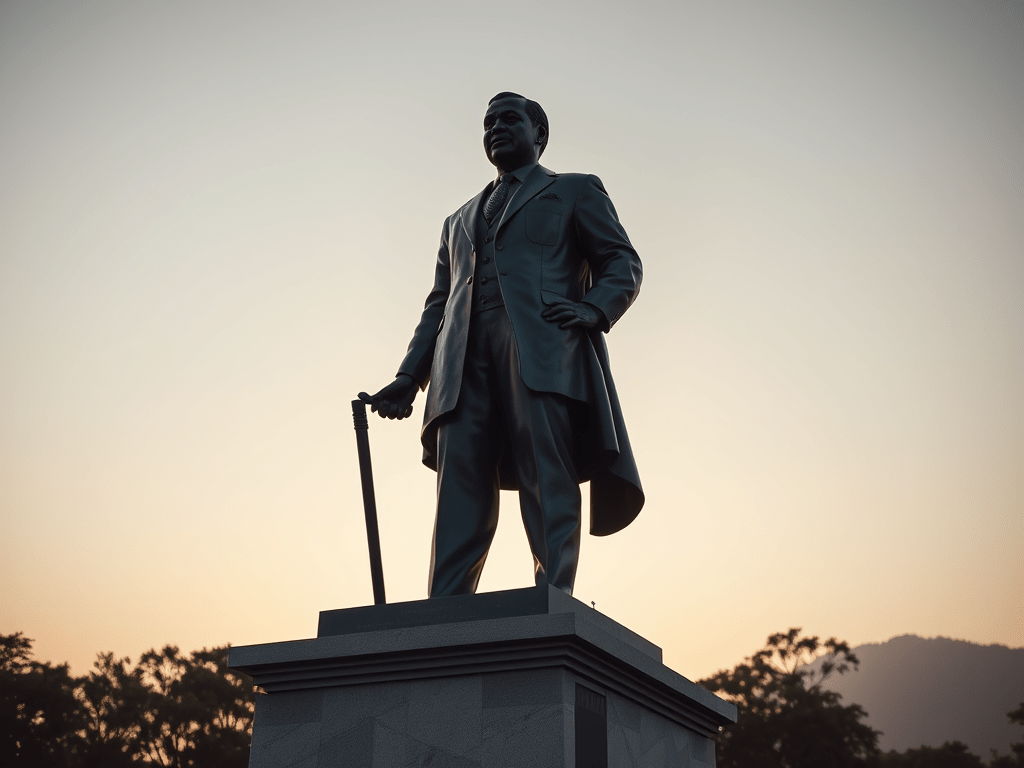
Kenya is located on the Eastern Coast of Africa. It is a country steeped in vibrant culture and rich history. There is a deeper connection to its diverse rich heritage. From colonial era landmarks to ancient archaeological sites, Kenya offers a treasure trove of historical wonder waiting to be explored. These historical sites are a must visit destination for anyone who wants to learn the nations journey through time.
In this blog, we will explore some of the top historical sites in Kenya. Each site offers unique insights into the country’s cultural heritage. They also reveal the evolution of Kenya over time. These sites showcase Kenya’s ancient civilizations, diverse communities and events that have shaped the modern nation.
Fort Jesus
Location: Mombasa, Coastal Kenya.
Historical Significance: It was built by the Portuguese between 1593 to 1596. The fort was constructed to protect the trade route to India. Fort Jesus is one of Kenya’s most iconic historical landmarks. Over the centuries, the Fort changed hands several times. It was passed to the Omani Arabs and the British. The Fort has been at the center of many military conflicts. Today, Fort Jesus serves as a museum, displaying artifacts related to the country’s colonial and post-colonial history.
Why Visit? Fort Jesus Mombasa provides a fascinating glimpse into Kenya’s colonial past. It shows the influence of Arab traders and Europeans. The Fort also offers stunning views of Mombasa’s harbor. The museum inside holds historical exhibits. These exhibits trace the impact of the Fort’s various occupiers on east Africa. https://whc.unesco.org/en/list/1295/
Best time to Visit: The optimal time to visit Fort Jesus Mombasa is during the dry season. This season runs from December to April and July to September.
Lamu Old Town
Location: Lamu Island, Coast of Kenya.
Historical Significance: Lamu Old Town is a very old Swahili settlement in East Africa. It is one of the oldest. The settlement is well-preserved, with a history that dates back to the 14th century. The town’s unique narrow streets and architecture show the fusion of Arab, European and African influences. Lamu, was once a thriving center of trade. It traded goods like gold, ivory, and slaves. It played a significant role in the development of the Swahili language and culture.
Why Visit? Lamu Old town is a UNESCO world heritage site and offers an immersive experience into Kenya’s Swahili culture. The town is known for its peaceful atmosphere, historical buildings, and vibrant festivals including the Lamu cultural festivals. To experience the beauty of the coastline, consider participating in a dhow cruise. You can also explore the winding alleys or visit the Lamu museum.
Best time to Visit: The ideal period to visit Lamu Old town is during the dry season. This season runs from July to October and January to February.
Gede Ruins
Location: Gede near Watamu, Coast of Kenya.
Historical Significance: The Gede ruins are remnants if a town that flourished between the 12th and the 17th Century. The town was abandoned in the late 17th century due to a plague or internal strife. The ruins are an important archaeological site offering a peek into the Swahili way of life during the medieval period. https://whc.unesco.org/en/list/1720/
Why Visit? The Gede ruins are shrouded in mystery with their origin and eventual abandonment debated. The site is surrounded by lush forest making it a tranquil spot for exploration. The well-preserved structures are quite visible. They include the Great Mosque, tombs, and houses that showcase the architectural style of the time.
Best time to Visit: The best time to visit is during July to October. This period is the longest dry season with clear skies.
Bomas of Kenya
Location: Nairobi, Central Kenya.
Historical significance: Bomas of Kenya is a cultural center. It is dedicated to promoting and preserving the traditional music, crafts, and dance of Kenya’s diverse ethnic groups. The word “Bomas” means homes in Kiswahili reflecting the traditional homesteads from which the exhibition and performance draw their inspiration.
Why Visit? A visit to the Bomas offers a unique opportunity to experience Kenya’s vibrant cultural diversity in one place. You can witness performances of traditional music, and dance from different communities., explore exhibitions showcasing Kenya’s heritage and history or learn about indigenous crafts. Visiting Bomas of Kenya is a great way to deepen your understanding of Kenya’s cultural richness.
Best time to Visit: The best time to visit is from January to February when n it is dry. The center is also open all year round and you can make a quick stop while in town.
The Karen Blixen Museum
Location: Nairobi, Central Kenya.
Historical Significance: The Karen Blixen Museum is located in the home of the famous Danish author Karen Blixen. She is best known for her Memoir “out of Africa.” The house was once part of her coffee plantation. The museum offers insights into her life in Kenya. It also explores the European settlers during the colonial era. https://www.masaimara.travel/karen-blixen-museum-kenya.php
Why Visit? The museum gives you a glimpse into Karen’s personal life. It also provides a deeper understanding of Kenya’s colonial history. Moreover, it explores the complexities of the settler-colonial relationship. The grounds are beautiful, and the house holds historical artifacts. This makes it a memorable stop for anyone interested in Kenya’s colonial past.
Best time to Visit: The museum is open all year round. It can be enjoyed during the dry season between July to October.
Kenyatta Mausoleum
Location: Nairobi, Central Kenya.
Historical Significance: The Kenyatta Mausoleum is the burial place of Kenya’s first president, Jomo Kenyatta. He played a pivotal role in the country’s struggle for independence. The Mausoleum is located in the heart of Nairobi, near the city hall. Jomo Kenyatta’s leadership and vision helped guide Kenya towards independence from British colonial rule in 1963.
Why Visit? The Kenyatta mausoleum is a significant national monument. It symbolizes Kenya’s fight for freedom. It also shows its journey towards nationhood. The Mausoleum is surrounded by a peaceful garden. It offers visitors a chance to ponder on Kenya’s post-independence history and its founding father’s legacy.
Best time to Visit: The Mausoleum is usually not open to the public. But, it is free for viewing annually on August 22.
Nairobi National Museum
Location: Nairobi, Central Kenya.
Historical Significance: The Nairobi National Museum is one of the country’s premier institutions. It is dedicated to showcasing Kenya’s rich and natural cultural heritage. The museums exhibits cover a range of topics including paleontology, archaeology, art and history. It features remarkable collections of fossils, cultural artifacts, and displays that trace the origins of humanity.
Why Visit? The museum is a great place to learn about Kenya’s pre-colonial history. Exhibits focus on the origins of the early humans in East Africa. Visitors can also explore the various ethnic groups that make up Kenya’s rich cultural fabric. The museum is located in a beautiful garden and is a great starting point of Kenya’s heritage.
Best time to Visit: The Museum is open all year round. July to October happens to be a dry season and is the best time to visit.
Maasai Mara National Reserve
Location: Narok County, Rift Valley Kenya.
Historical Significance: Maasai Mara is primarily known for its wildlife and the great migration. It is also home to the Maasai people. The Maasai are one of Kenya’s most famous and historically significant ethnic groups. The Maasai have lived in this region for centuries. Their culture and way of life are intrinsically linked to the land.
Why Visit?: Exploring Maasai Mara offers more than just a Safari. It provides a chance to immerse yourself in Maasai culture. You can visit Maasai villages, learn about their customs, and experience traditional dances and rituals. This is an essential stop for anyone wanting to understand Kenya’s indigenous cultures.
Best time to Visit: The best time to visit is during the wildebeest migration. This event runs from late June to October.
The Railway Station and The Old Nairobi Railway Museum
Location: Nairobi, Central Kenya.
Historical Significance: The Kenya-Uganda Railway was built by the British during the colonial period. It played a major role in the development of Nairobi and the broader region. The Old Nairobi Railway Station is a beautiful colonial era structure. The Railway Museum offers a fascinating look at the Railway of East Africa.
Why Visit? The museum is filled with artifacts from Kenya’s colonial era, including old trains, engines, and other railway memorabilia. Visiting the station and museum offers insights into the role the railway played in the country’s development. It highlights its impact on trade and communication.
Best time to Visit: The Museum is open all year round and one can visit based on their preference.
Ngorongoro Crater (shared Heritage)
Location: Kenya- Tanzania Border.
Historical Significance: The Ngorongoro Crater is in Tanzania. It forms an integral part of the broader cultural and historical narrative of East Africa. The crater is part of the Serengeti – Mara ecosystem. It holds some of the world’s archaeological sites, including evidence of early human habitation.
Why Visit? The Ngorongoro crater is a UNESCO world heritage site. It is also a place of deep historical significance. It is believed to be the birthplace of early human civilization. Visitors can explore the rich wildlife. They can also visit the archaeological sites that reveal traces of ancient human cultures. These cultures once lived in this area.
Best time to Visit: The best time to visit is during December to February. This period also happens to be a busy season.
Conclusion
Kenya’s rich cultural and historical heritage is not just found in its natural beauty. It is also shown in its ancient ruins and colonial landmarks. The vibrant communities have shaped its identities. Whether you are traveling for culture or history, you can visit these top historical sites. They are the perfect places to immerse yourself in the story of Kenya. Visit these destinations to enrich your knowledge of the country’s past. You will gain a deeper appreciation for its diverse traditions. You will also understand the journey that led to the Kenya we now know.



 Globe Trotter Diaries: Where Every Journey Tells a Story...
Leave a comment